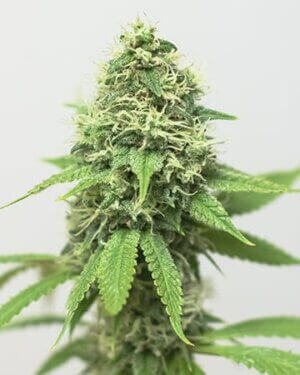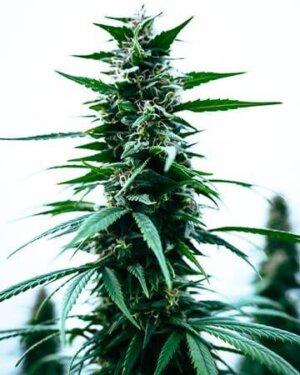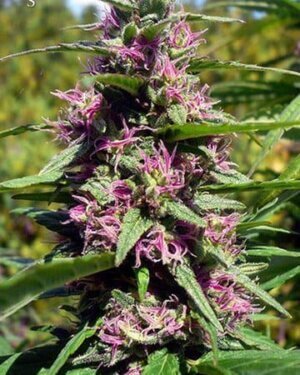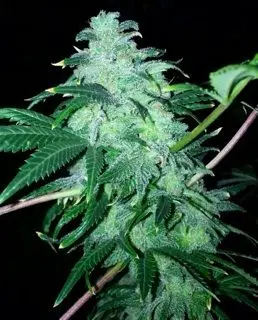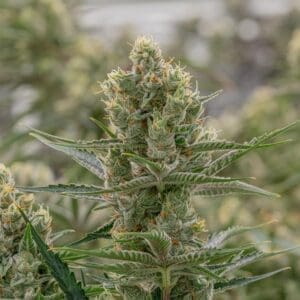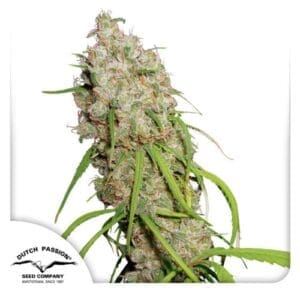



- Sativa Landrace Seeds from Equilibrium Genetics – a curated collection of pure sativa genetics
- Flowering: 70-90 days
- Profile: Limonene, Pinene, Myrcene
- Special: Diverse array of rare and preserved sativa strains
Mystery Box “Sativa Landrace” Feminized Seeds by Equilibrium Genetics
Embark on a journey of discovery with the Mystery Box “Sativa Landrace” Feminized Seeds from Equilibrium Genetics. This special collection brings together a diverse array of pure sativa genetics, carefully preserved and bred to ensure a robust and authentic growing experience. For growers passionate about the heritage and uniqueness of sativa landraces, this offering is an opportunity to explore a wide spectrum of aromas, flavors, and growth characteristics.
Genetics
The “Sativa Landrace” seeds are derived from traditional sativa strains that have thrived in their native regions for generations. These landraces are unaltered by crossbreeding, offering a pure genetic profile that encapsulates the true essence of sativa. Expect a variety of regional traits, each reflecting its origin’s distinct climate and environment.
Terpenes
Given the diverse origins of the sativa strains included, the terpene profiles in this mystery box can vary widely. Typical terpenes you might encounter include:
- Limonene: Known for its citrus aroma, offering uplifting and energetic qualities.
- Pinene: Carries a fresh pine scent, potentially enhancing alertness and memory retention.
- Myrcene: Provides earthy notes that can influence the overall relaxing effects.
Growing Notes
Each seed in the “Sativa Landrace” collection is feminized, simplifying the cultivation process by eliminating the need to identify and remove male plants. Sativas typically exhibit tall, lanky growth patterns and may require additional space and support. They often have longer flowering times compared to indica strains, ranging from 10 to 16 weeks, but the reward is a bountiful harvest of vibrant and aromatic buds.
These seeds thrive in warm climates with ample sun exposure, mimicking their native environments. Indoor growers should consider utilizing techniques such as training and pruning to manage height and encourage bushier growth.
Effects
Sativa landraces are renowned for their stimulating and cerebral effects. Expect an invigorating experience that can enhance creativity, focus, and sociability. The effects are typically uplifting and energizing, making these strains ideal for daytime use and various activities that require mental clarity and engagement.
By choosing the Mystery Box “Sativa Landrace” Feminized Seeds, you’re not just cultivating cannabis; you’re preserving the rich heritage of sativa landraces while exploring the unique attributes each strain has to offer.

Seed Germination Instructions
for cannabis seeds
Step 1: Soak the seeds
- Fill a glass with clean, room-temperature water (68-77°F / 20-25°C).
- Use filtered, dechlorinated, or pH-balanced water to prevent contaminants.
- Drop the seeds into the water and gently swirl to ensure full submersion.
- If seeds float, tap them down lightly or leave them to absorb water.
- Optional: Add 3% hydrogen peroxide (H₂O₂) at a ratio of 1 ml per 100 ml of water to prevent mold and bacteria.
- Place the glass in a dark, warm location for 2-6 hours (do not exceed 12 hours to prevent drowning).
Step 2: Prepare the Germination Plate
- Dampen two layers of paper towel, cotton, or thick toilet paper with clean, dechlorinated water.
- If using toilet paper, fold multiple plies to ensure adequate thickness.
- Place seeds evenly between the layers, ensuring they do not touch each other.
- Towels should be moist but not soaking wet.
- Set the damp towel on a plate and cover with another plate or place it inside a resealable plastic bag to retain moisture.
- Store in a dark, warm location (70-78°F / 21-26°C) such as a drawer or cabinet.
- Check the moisture level every 6-12 hours and add water as needed to prevent drying.
- Expected Germination Time:
- Most seeds crack open within 48-72 hours.
- Some may take 5-6 days to show taproots.
- Older seeds or seeds with a tougher shell may take up to 10-15 days to sprout.
- If a seed has not sprouted within 10 days, gently check it for signs of swelling or softening.
Step 3: Monitor Germination
- Seeds typically crack open and develop a taproot within 48-72 hours, but some may take up to 5-6 days.
- Older or dormant seeds may take 10-15 days to sprout, especially if they have a thicker shell.
- Check regularly for signs of mold or fungal growth.
- If mold appears, replace the paper towel and rinse seeds in a diluted hydrogen peroxide solution (1 ml of 3% H₂O₂ per 100 ml water).
- The seed is ready for planting when the white taproot emerges and reaches ¼-½ inch (0.6-1.3 cm).
Step 4: Planting the Seeds
- Prepare a pH-balanced growing medium (pH 5.5-6.0) such as:
- Quality soil-perlite mix
- Coco coir with perlite
- Rockwool cubes (must be pre-soaked in pH 5.5 water)
- Plant the seed 2-5 mm deep, with the root tip facing downward.
- Use containers that are at least 10 cm (4 inches) deep with drainage holes for healthy root development.
- Lightly cover the seed with soil—do not press down too hard.
- Spray the top layer with water instead of drenching it.
Step 5: Initial Care for Seedlings
- Keep the growing medium moist but not waterlogged—spray with a spray bottle instead of overwatering.
- Maintain high humidity by:
- Covering containers with clear plastic wrap or a humidity dome.
- Ensuring there is some airflow to prevent mold buildup.
- Place seedlings under cold white LED or fluorescent lights or in indirect sunlight at 68-77°F (20-25°C).
Step 6: Gradual Exposure to Light
- Once seedlings emerge and develop their first set of leaves (cotyledons):
- Slowly introduce them to stronger light sources.
- Start with low-intensity LED, CFL, or indirect sunlight, then gradually increase exposure.
- Keep grow lights at a safe distance:
- LEDs: 12-24 inches (30-60 cm) above seedlings.
- HPS/MH: 24-36 inches (60-90 cm) above seedlings.
- If transitioning to outdoor sunlight:
- Harden seedlings off gradually by placing them outside for short periods each day.
Additional Tips
- Use filtered rainwater, bottled water, or dechlorinated tap water.
- Maintain humidity levels between 70-80% for optimal germination.
- Avoid handling the taproot directly, as it is delicate and can be easily damaged.
- If using rockwool cubes, pre-soak them in pH 5.5 water before planting.
- Germination rates depend on strain genetics, seed age, and storage conditions.
Seeds may take longer to sprout if conditions are too dry, cold, or hot.
Failure to follow these steps may reduce germination success and replacements are unlikely.
By following these steps, you’ll achieve healthy, vigorous cannabis seedlings ready for strong growth. 🌱