
$12.00 – $125.00Price range: $12.00 through $125.00


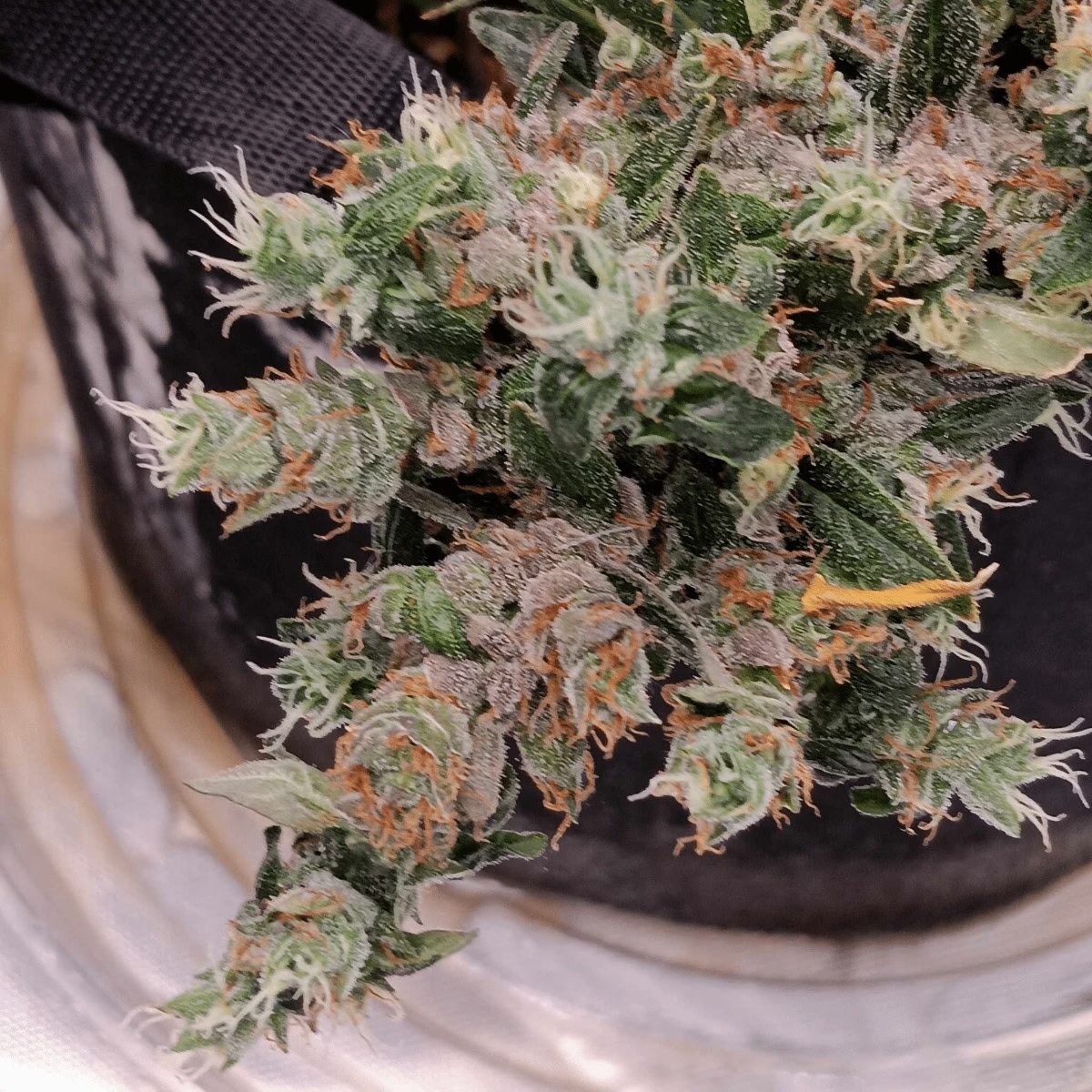


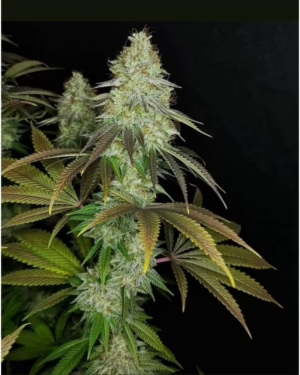
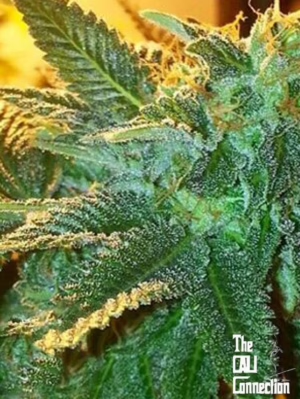
Fat Bastard Seeds by Origin Seed Co offer a robust and aromatic experience, perfect for those seeking a powerful hybrid with unique heritage.
Welcome to the world of Fat Bastard Seeds, a premium choice for cannabis enthusiasts seeking a potent and versatile strain. With its remarkable genetics and aromatic profile, Fat Bastard Seeds are perfect for those who appreciate a balanced cannabis experience.
The Fat Bastard strain emerges from the cross between Goldmember and Monkey Spunk, yielding a hybrid that leans towards Indica. This strain is renowned for its fruity and skunk flavors and delivers a potent, balanced effect suitable for both recreational and medicinal use.
Featuring a high THC level of 30% – 38%, Fat Bastard is perfect for those seeking a profound experience that balances the cerebral effects of Sativa with the physical relaxation of Indica.
Fat Bastard has a unique genetic makeup that originates from a meticulous cross of Goldmember and Monkey Spunk. While its cultivation is not confined to a specific region, its seeds are often distinguished as either American or European based on their breeding and cultivation practices.
While Fat Bastard is predominantly an Indica-dominant hybrid, it also offers uplifting effects characteristic of Sativa strains. This balance makes it an ideal choice for those looking to enjoy a versatile cannabis experience.
Users of Fat Bastard can expect a powerful onset of euphoria and relaxation, making it an excellent strain for managing stress, anxiety, and physical discomfort. Its balanced nature ensures a pleasant experience without overwhelming sedation, promoting a state of happy relaxation.
To ensure a successful cultivation of Fat Bastard, proper germination is crucial:
Fat Bastard thrives in both indoor and outdoor settings and is known for its robust growth and substantial yields. Suitable for various cultivation methods, it responds well to the ScrOG technique to maximize light exposure and air circulation.
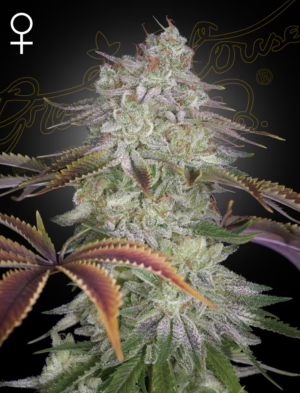
The flowering period for Fat Bastard is relatively quick, spanning 8 to 10 weeks. During this time, plants develop dense, resinous buds that are ready for harvest, typically yielding high-quality cannabis.
The aroma of Fat Bastard is notably fruity with a skunky undertone, a direct reflection of its complex flavor profile that combines sweet and earthy notes.
Fat Bastard is celebrated for providing a balanced and dynamic cannabis experience, ideal for evening use. It delivers a relaxing body effect accompanied by a joyful and creative mental state.
The terpene profile in Fat Bastard includes Caryophyllene, Myrcene, Limonene, and Alpha Humulene, contributing to its anti-anxiety, anti-fatigue, and migraine-relieving properties. These terpenes enhance the overall sensory experience, adding depth to the strain’s flavor and therapeutic benefits.

Step 1: Soak the seeds

Step 2: Prepare the Germination Plate

Step 3: Monitor Germination

Step 4: Planting the Seeds

Step 5: Initial Care for Seedlings

Step 6: Gradual Exposure to Light

Additional Tips
Seeds may take longer to sprout if conditions are too dry, cold, or hot.
Failure to follow these steps may reduce germination success and replacements are unlikely.
By following these steps, you’ll achieve healthy, vigorous cannabis seedlings ready for strong growth. 🌱
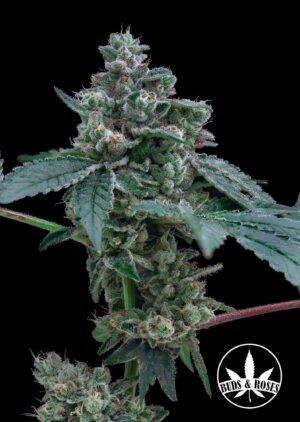
$15.00 – $150.00Price range: $15.00 through $150.00
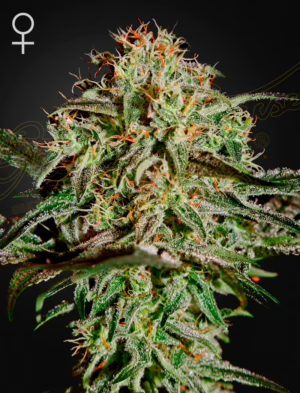
$40.00 – $70.00Price range: $40.00 through $70.00
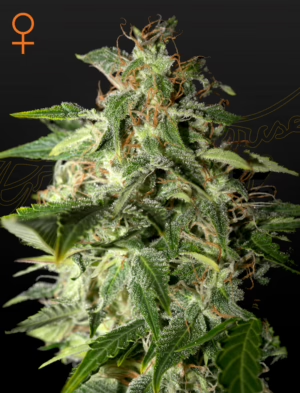
$45.00 – $78.00Price range: $45.00 through $78.00
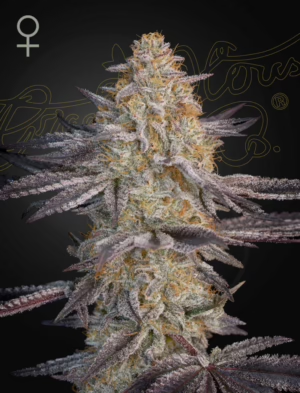
$60.00 – $120.00Price range: $60.00 through $120.00

$86.00 – $450.00Price range: $86.00 through $450.00
$66.00 – $110.00Price range: $66.00 through $110.00

$45.00 – $750.00Price range: $45.00 through $750.00