
BARNEY’S FARM SALE – UNLIMITED BUY 1, GET 1 – PICK YOUR FREE PACK FROM 5 TOP STRAINS IN YOUR CART
⬤
BARNEY’S FARM SALE – UNLIMITED BUY 1, GET 1 – PICK YOUR FREE PACK FROM 5 TOP STRAINS IN YOUR CART
⬤
BARNEY’S FARM SALE – UNLIMITED BUY 1, GET 1 – PICK YOUR FREE PACK FROM 5 TOP STRAINS IN YOUR CART
⬤
BARNEY’S FARM SALE – UNLIMITED BUY 1, GET 1 – PICK YOUR FREE PACK FROM 5 TOP STRAINS IN YOUR CART
⬤
BARNEY’S FARM SALE – UNLIMITED BUY 1, GET 1 – PICK YOUR FREE PACK FROM 5 TOP STRAINS IN YOUR CART
⬤
BARNEY’S FARM SALE – UNLIMITED BUY 1, GET 1 – PICK YOUR FREE PACK FROM 5 TOP STRAINS IN YOUR CART
⬤
Pineapple Chunk
Feminized Seeds
Various Quantities
$18.00 – $225.00Price range: $18.00 through $225.00
Want to be notified when this product is back in stock?


Pineapple Chunk by Barney’s Farm — feminized seeds. The Pineapple Chunk strain is a hybrid cannabis strain developed by Barneys Farm USA. It is a cross between the legendary Skunk #1 and Cheese strains. Up to 28% THC.
Pineapple Chunk by Barney’s Farm is a feminized strain bred from Pineapple Strain x Skunk #1 Strain x Cheese Strain. It tests at up to 28% THC with a 20% sativa / 80% indica profile. The Pineapple Chunk strain is a hybrid cannabis strain developed by Barneys Farm USA. It is a cross between the legendary Skunk #1 and Cheese strains.
Pineapple Chunk grows to 90-110 cm indoors and 120-150 cm outdoors. Flowering takes 55-60 days. Indoor yields reach around 550-650 g/m², and outdoor plants can produce up to 1000 g/plant. Outdoor harvest falls in September (3rd–4th week).
Pineapple Chunk Strain by Barneys Farm USA
The Pineapple Chunk strain is a hybrid cannabis strain developed by Barneys Farm USA. It is a cross between the legendary Skunk #1 and Cheese strains. This combination results in a potent and unique strain with a high THC content, typically ranging between 27% and 30%.
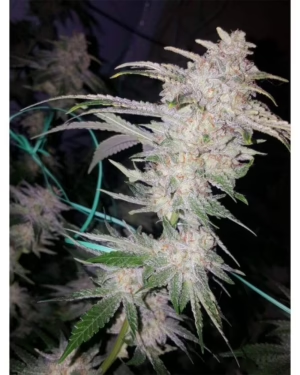
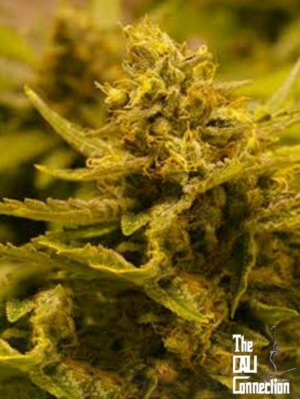
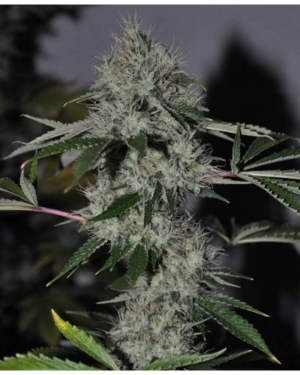
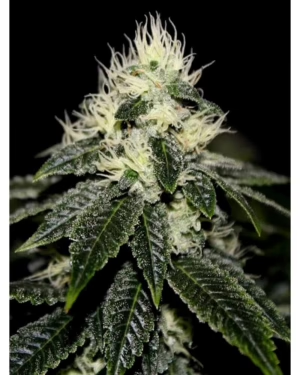
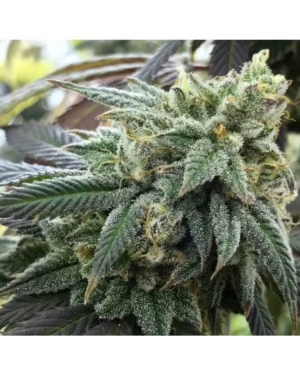
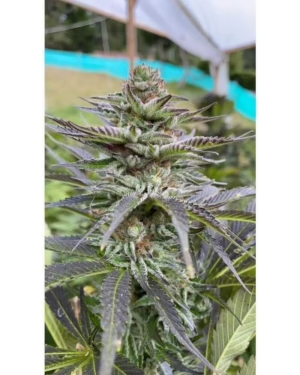
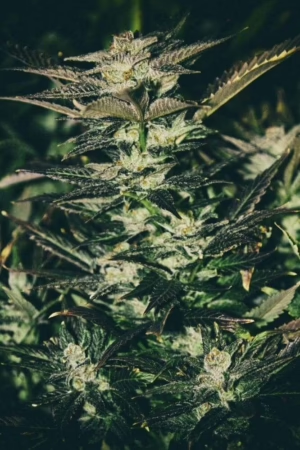
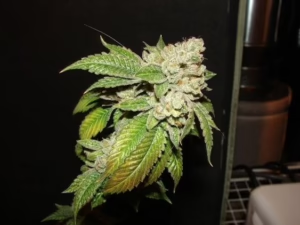
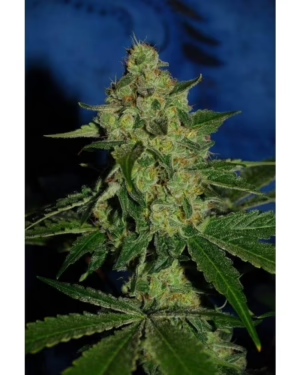
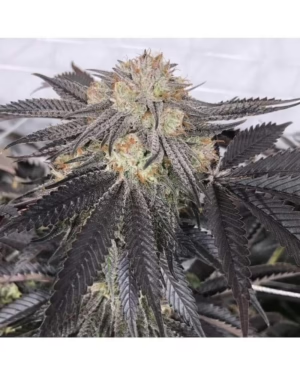
The high THC levels provide a powerful and long-lasting effect, making it a favorite among experienced users. Pineapple Chunk plants are known for their dense and chunky buds, which are covered in a thick layer of trichomes, giving them a frosty appearance. The buds are typically bright green with orange hairs and sometimes exhibit purple hues, especially when exposed to cooler temperatures during the flowering stage.
This strain boasts a complex and delightful flavor profile. The taste is a blend of earthy, sweet, and fruity notes, with a strong pineapple flavor that stands out. The aroma is equally appealing, with a pungent and skunky scent combined with hints of pineapple and cheese, creating a unique and memorable fragrance.
Pineapple Chunk is known for its balanced effects that cater to both the mind and body. Users often experience a euphoric and uplifting cerebral high, accompanied by a calming and relaxing body sensation. This strain is ideal for alleviating stress, anxiety, and pain, making it a popular choice for both recreational and medicinal users.
Pineapple Chunk is a relatively easy strain to grow, making it suitable for both novice and experienced growers. It is resistant to mold and pests, which contributes to its overall hardiness. This strain can be grown both indoors and outdoors, thriving in various environments.
When grown indoors, Pineapple Chunk plants typically reach a height of around 90-110 cm. The indoor yield is impressive, with growers reporting an average of 650 grams per square meter. The plants have a relatively short flowering time of 55-60 days, allowing for multiple harvests in a year.
In outdoor settings, Pineapple Chunk plants can grow taller, reaching heights of up to 120-150 cm. The outdoor yield per plant is generous, with each plant producing around 1000 grams. The harvest time for outdoor cultivation is usually from late September to early October, depending on the local climate and growing conditions.
In conclusion, Pineapple Chunk by Barneys Farm USA is a versatile and potent strain that offers a delightful combination of flavors and aromas, along with balanced effects that cater to both recreational and medicinal users. Its ease of cultivation and impressive yields make it a favorite among growers, ensuring that this strain remains popular in the cannabis community.
These are feminized seeds from Barney’s Farm, one of the world’s most decorated cannabis seed banks. Every Pineapple Chunk seed is bred for consistency, potency, and genetic authenticity. Orders ship discreetly from our US distribution center in California.
Pineapple Chunk – FAQ – Frequently Asked Questions
Pineapple Chunk by Barney’s Farm is 20% Sativa and 80% Indica.
Pineapple Chunk by Barney’s Farm tests at up to 28% THC.
Pineapple Chunk is a cross of Pineapple Strain x Skunk #1 Strain x Cheese Strain.
Indoors, Pineapple Chunk grows to 90-110 cm. Outdoors, plants can reach 120-150 cm.
Indoors, Pineapple Chunk yields up to 550-650 g/m². Outdoors, plants can produce up to 1000 g/plant.
Pineapple Chunk has a flowering time of 55-60 days. Outdoor plants are typically harvested in September (3rd–4th week).
Store Pineapple Chunk seeds in a cool, dark place in an airtight container, ideally in a refrigerator. Avoid freezing and make sure they are properly labeled and dated.
Germinate at 70-90 degrees F (21-32 degrees C). Below 70F can delay or stop germination; above 90F can cause poor germination and increase the risk of seedlings drying out.
If allowed in your location, we recommend the paper towel method: place seeds between damp paper towels, keep them warm and dark, and check daily to ensure the paper towel stays moist.
Once germinated, transfer to soil or similar grow media, making a small hole 5-10 mm deep. Gently place the sprouted seed root-down in the hole. Use a match or toothpick rather than handling with your fingers.
No. Start in smaller pots and gradually move to larger containers as the root structure develops. Smaller pots dry out more quickly, which encourages roots to spread in search of moisture and nutrients. Incrementally increasing pot size stimulates new root growth and allows for more precise watering and feeding.
Seed Germination Instructions
for cannabis seeds

Step 1: Soak the seeds
- Fill a glass with clean, room-temperature water (68-77°F / 20-25°C).
- Use filtered, dechlorinated, or pH-balanced water to prevent contaminants.
- Drop the seeds into the water and gently swirl to ensure full submersion.
- If seeds float, tap them down lightly or leave them to absorb water.
- Optional: Add 3% hydrogen peroxide (H₂O₂) at a ratio of 1 ml per 100 ml of water to prevent mold and bacteria.
- Place the glass in a dark, warm location for 2-6 hours (do not exceed 12 hours to prevent drowning).

Step 2: Prepare the Germination Plate
- Dampen two layers of paper towel, cotton, or thick toilet paper with clean, dechlorinated water.
- If using toilet paper, fold multiple plies to ensure adequate thickness.
- Place seeds evenly between the layers, ensuring they do not touch each other.
- Towels should be moist but not soaking wet.
- Set the damp towel on a plate and cover with another plate or place it inside a resealable plastic bag to retain moisture.
- Store in a dark, warm location (70-78°F / 21-26°C) such as a drawer or cabinet.
- Check the moisture level every 6-12 hours and add water as needed to prevent drying.
- Expected Germination Time:
- Most seeds crack open within 48-72 hours.
- Some may take 5-6 days to show taproots.
- Older seeds or seeds with a tougher shell may take up to 10-15 days to sprout.
- If a seed has not sprouted within 10 days, gently check it for signs of swelling or softening.

Step 3: Monitor Germination
- Seeds typically crack open and develop a taproot within 48-72 hours, but some may take up to 5-6 days.
- Older or dormant seeds may take 10-15 days to sprout, especially if they have a thicker shell.
- Check regularly for signs of mold or fungal growth.
- If mold appears, replace the paper towel and rinse seeds in a diluted hydrogen peroxide solution (1 ml of 3% H₂O₂ per 100 ml water).
- The seed is ready for planting when the white taproot emerges and reaches ¼-½ inch (0.6-1.3 cm).

Step 4: Planting the Seeds
- Prepare a pH-balanced growing medium (pH 5.5-6.0) such as:
- Quality soil-perlite mix
- Coco coir with perlite
- Rockwool cubes (must be pre-soaked in pH 5.5 water)
- Plant the seed 2-5 mm deep, with the root tip facing downward.
- Use containers that are at least 10 cm (4 inches) deep with drainage holes for healthy root development.
- Lightly cover the seed with soil—do not press down too hard.
- Spray the top layer with water instead of drenching it.

Step 5: Initial Care for Seedlings
- Keep the growing medium moist but not waterlogged—spray with a spray bottle instead of overwatering.
- Maintain high humidity by:
- Covering containers with clear plastic wrap or a humidity dome.
- Ensuring there is some airflow to prevent mold buildup.
- Place seedlings under cold white LED or fluorescent lights or in indirect sunlight at 68-77°F (20-25°C).

Step 6: Gradual Exposure to Light
- Once seedlings emerge and develop their first set of leaves (cotyledons):
- Slowly introduce them to stronger light sources.
- Start with low-intensity LED, CFL, or indirect sunlight, then gradually increase exposure.
- Keep grow lights at a safe distance:
- LEDs: 12-24 inches (30-60 cm) above seedlings.
- HPS/MH: 24-36 inches (60-90 cm) above seedlings.
- If transitioning to outdoor sunlight:
- Harden seedlings off gradually by placing them outside for short periods each day.

Additional Tips
- Use filtered rainwater, bottled water, or dechlorinated tap water.
- Maintain humidity levels between 70-80% for optimal germination.
- Avoid handling the taproot directly, as it is delicate and can be easily damaged.
- If using rockwool cubes, pre-soak them in pH 5.5 water before planting.
- Germination rates depend on strain genetics, seed age, and storage conditions.
Seeds may take longer to sprout if conditions are too dry, cold, or hot.
Failure to follow these steps may reduce germination success and replacements are unlikely.
By following these steps, you’ll achieve healthy, vigorous cannabis seedlings ready for strong growth. 🌱