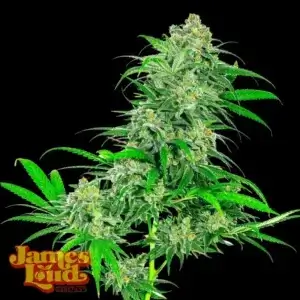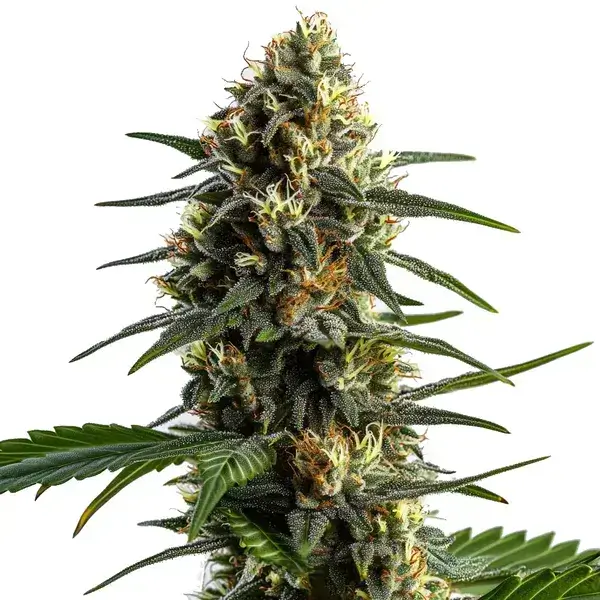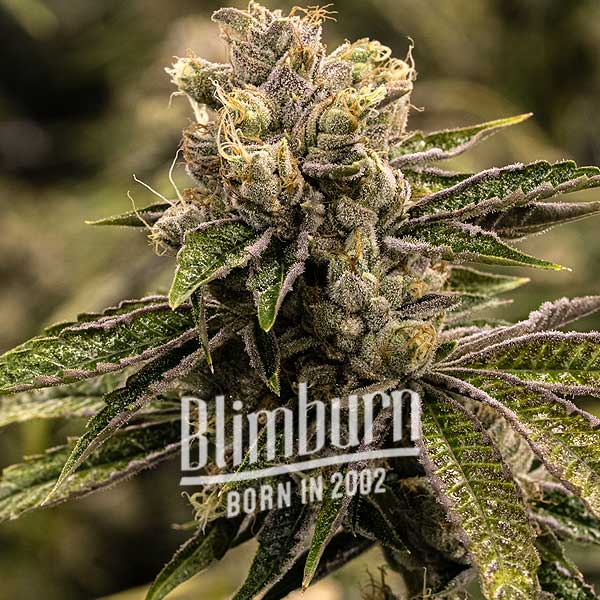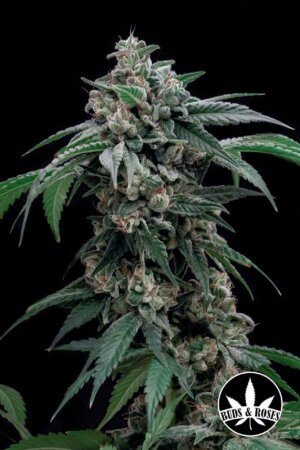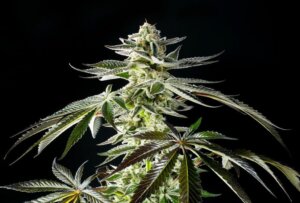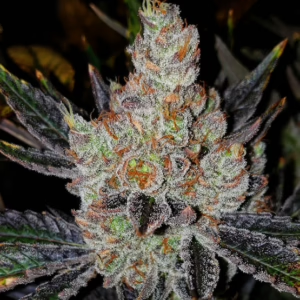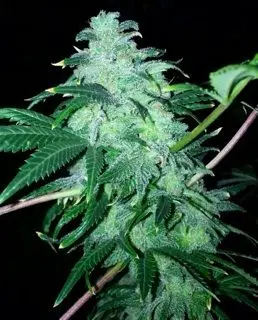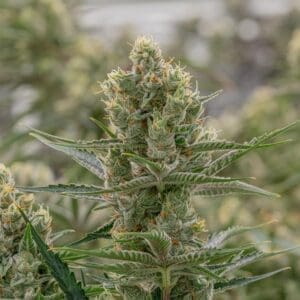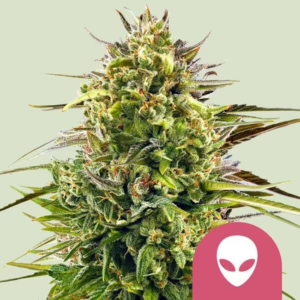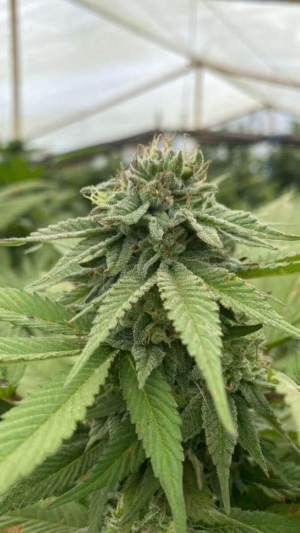

- Stoned Panda seeds from Blimburn Seeds – a hybrid blend of potent genetics
- Flowering: 60-65 days
- Profile: Dominant terpenes include myrcene, limonene, and caryophyllene
- Known for its robust growth and impressive yields
Stoned Panda Seeds – A Masterpiece by Blimburn Seeds
Stoned Panda seeds, crafted by the renowned Blimburn Seeds, offer a unique cannabis experience for growers and enthusiasts alike. This feminized variety is a must-have for those seeking robust plants with impressive yields and a distinct aromatic profile.
Genetic Background
The Stoned Panda seeds are a testament to Blimburn Seeds’ expertise in breeding. This strain is a carefully selected hybrid, blending genetics from some of the most potent and flavorful cannabis varieties. While the exact lineage is a closely guarded secret, growers can expect a harmonious balance of indica and sativa traits, resulting in a well-rounded growth experience.
Terpene Profile
Stoned Panda seeds produce plants with a rich terpene profile that captivates the senses. Expect a fragrant bouquet that combines earthy and sweet notes, complemented by hints of citrus and pine. This complex aroma is a result of its diverse genetic heritage, making it a standout in any garden.
Growing Notes
Stoned Panda seeds are favored by cultivators for their resilience and adaptability. Suitable for both indoor and outdoor growing, these seeds thrive in a variety of environments. Indoor growers will appreciate the manageable height and consistent growth pattern, while outdoor enthusiasts will benefit from the plant’s robustness against variable weather conditions.
- Flowering Time: Approximately 8-10 weeks
- Yield: High, with potential for bountiful harvests
- Height: Medium, making it suitable for smaller spaces
Effects
Upon consumption, Stoned Panda delivers a balanced experience that satisfies both indica and sativa lovers. Users report an initial euphoric uplift, followed by a soothing relaxation that melts away stress without inducing couch-lock. This makes it ideal for both social settings and quiet, introspective moments.
Whether you’re an experienced grower or a novice, Stoned Panda seeds by Blimburn Seeds offer a rewarding cultivation journey and an exceptional final product. Its balanced effects and rich terpene profile make it a versatile addition to any collection.

Seed Germination Instructions
for cannabis seeds
Step 1: Soak the seeds
- Fill a glass with clean, room-temperature water (68-77°F / 20-25°C).
- Use filtered, dechlorinated, or pH-balanced water to prevent contaminants.
- Drop the seeds into the water and gently swirl to ensure full submersion.
- If seeds float, tap them down lightly or leave them to absorb water.
- Optional: Add 3% hydrogen peroxide (H₂O₂) at a ratio of 1 ml per 100 ml of water to prevent mold and bacteria.
- Place the glass in a dark, warm location for 2-6 hours (do not exceed 12 hours to prevent drowning).
Step 2: Prepare the Germination Plate
- Dampen two layers of paper towel, cotton, or thick toilet paper with clean, dechlorinated water.
- If using toilet paper, fold multiple plies to ensure adequate thickness.
- Place seeds evenly between the layers, ensuring they do not touch each other.
- Towels should be moist but not soaking wet.
- Set the damp towel on a plate and cover with another plate or place it inside a resealable plastic bag to retain moisture.
- Store in a dark, warm location (70-78°F / 21-26°C) such as a drawer or cabinet.
- Check the moisture level every 6-12 hours and add water as needed to prevent drying.
- Expected Germination Time:
- Most seeds crack open within 48-72 hours.
- Some may take 5-6 days to show taproots.
- Older seeds or seeds with a tougher shell may take up to 10-15 days to sprout.
- If a seed has not sprouted within 10 days, gently check it for signs of swelling or softening.
Step 3: Monitor Germination
- Seeds typically crack open and develop a taproot within 48-72 hours, but some may take up to 5-6 days.
- Older or dormant seeds may take 10-15 days to sprout, especially if they have a thicker shell.
- Check regularly for signs of mold or fungal growth.
- If mold appears, replace the paper towel and rinse seeds in a diluted hydrogen peroxide solution (1 ml of 3% H₂O₂ per 100 ml water).
- The seed is ready for planting when the white taproot emerges and reaches ¼-½ inch (0.6-1.3 cm).
Step 4: Planting the Seeds
- Prepare a pH-balanced growing medium (pH 5.5-6.0) such as:
- Quality soil-perlite mix
- Coco coir with perlite
- Rockwool cubes (must be pre-soaked in pH 5.5 water)
- Plant the seed 2-5 mm deep, with the root tip facing downward.
- Use containers that are at least 10 cm (4 inches) deep with drainage holes for healthy root development.
- Lightly cover the seed with soil—do not press down too hard.
- Spray the top layer with water instead of drenching it.
Step 5: Initial Care for Seedlings
- Keep the growing medium moist but not waterlogged—spray with a spray bottle instead of overwatering.
- Maintain high humidity by:
- Covering containers with clear plastic wrap or a humidity dome.
- Ensuring there is some airflow to prevent mold buildup.
- Place seedlings under cold white LED or fluorescent lights or in indirect sunlight at 68-77°F (20-25°C).
Step 6: Gradual Exposure to Light
- Once seedlings emerge and develop their first set of leaves (cotyledons):
- Slowly introduce them to stronger light sources.
- Start with low-intensity LED, CFL, or indirect sunlight, then gradually increase exposure.
- Keep grow lights at a safe distance:
- LEDs: 12-24 inches (30-60 cm) above seedlings.
- HPS/MH: 24-36 inches (60-90 cm) above seedlings.
- If transitioning to outdoor sunlight:
- Harden seedlings off gradually by placing them outside for short periods each day.
Additional Tips
- Use filtered rainwater, bottled water, or dechlorinated tap water.
- Maintain humidity levels between 70-80% for optimal germination.
- Avoid handling the taproot directly, as it is delicate and can be easily damaged.
- If using rockwool cubes, pre-soak them in pH 5.5 water before planting.
- Germination rates depend on strain genetics, seed age, and storage conditions.
Seeds may take longer to sprout if conditions are too dry, cold, or hot.
Failure to follow these steps may reduce germination success and replacements are unlikely.
By following these steps, you’ll achieve healthy, vigorous cannabis seedlings ready for strong growth. 🌱