
ETHOS Genetics: Who They Are, What They Breed and How Their Seed Lines Differ
ETHOS Genetics is a cannabis seed breeder based in Denver, Colorado, founded by Colin Gordon in 2014. ETHOS is well known for extensively working its


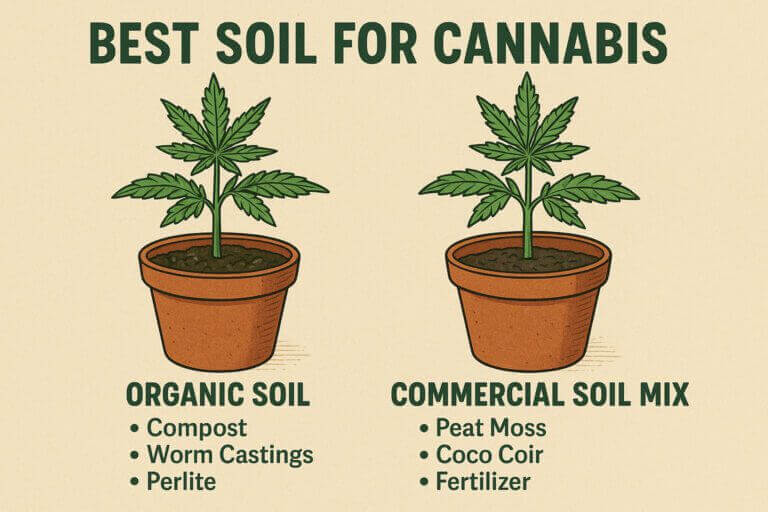
Choosing the best soil for cannabis can make or break your harvest. In this comprehensive guide, we explore the benefits, drawbacks, and tailored recipes of organic living soils versus commercial mixes. Plus, we’ve gathered educational resources for growers who want to dive deeper into soil science and plant microbiology.
Healthy soil supports optimal root development, nutrient uptake, and microbial life. Cannabis prefers a slightly acidic pH between 6.0 and 7.0 for nutrient absorption :contentReference[oaicite:6]{index=6}. The right soil structure balances drainage, aeration, and moisture retention to prevent root rot and improve yields.
Living soil is more than dirt—it’s a self-sustaining ecosystem. Rich in compost, worm castings, bat guano, and beneficial microbes, this soil supports plants naturally over time :contentReference[oaicite:7]{index=7}.
For those wanting a step-by-step living soil mix, check out the “Build‑A‑Soil” method and recipes developed by experienced growers, including compost teas and microbial boosters :contentReference[oaicite:8]{index=8}.
Commercial mixes often contain peat moss, coco coir, perlite, and standardized nutrients for drainage and consistency. Many are fortified with either organic or synthetic fertilizers :contentReference[oaicite:9]{index=9}.
Want full control? Customize your own mix using these basic principles:
Step-by-step soil preparation tips and texture guidance are detailed in resources from GardenerBible and SeedsHereNow :contentReference[oaicite:11]{index=11}.
| Aspect | Organic Living Soil | Commercial Mix |
|---|---|---|
| Flavor & Aroma | Rich, earthy, terpene‑enhanced | Neutral or less complex |
| Microbial Life | Active and diverse | Often sterile or limited |
| Ease of Use | Requires knowledge & monitoring | Plug‑and‑play |
| Consistency | Variable batch to batch | Standardized |
| Startup Time | Requires pre‑curing | Ready immediately |
Choosing the best soil for cannabis comes down to your goals. If you prioritize flavor, sustainability, and natural growing, living organic soil wins. If you prefer consistency, easy setup, and predictable results, commercial mixes are ideal. Both approaches require proper pH, watering technique, and nutrient monitoring.
Whichever route you choose, pairing your soil with quality nutrient programs and starting from reliable cannabis clones will give you the strongest foundation for success.
ETHOS Genetics is a cannabis seed breeder based in Denver, Colorado, founded by Colin Gordon in 2014. ETHOS is well known for extensively working its

Short answer: buy rooted clones if you want a plant that goes straight into your medium and starts growing, and buy unrooted cuttings if you
Unrooted cuttings or rooted peat pellets, what a bulk order really costs at 20, 40 and 100 plants, how to prep your space, and how to vet a clone supplier.